
Guest Essay · Part 2 of 2
Loose in the Air
The continuation of What Comes After Memory. A new form factor, a clash of titans and an intelligence whose purpose is to serve humanity.
Disclosure. Mostafa M. Elkordy is a member of the AI Trust Council®, which governs the Trust Identity Protocol®. He is the author of OSARA. The views are his own. The AI Lab publishes Insights and made the animations and their original music for this essay.
This is Part 2. Start with Part 1, What Comes After Memory
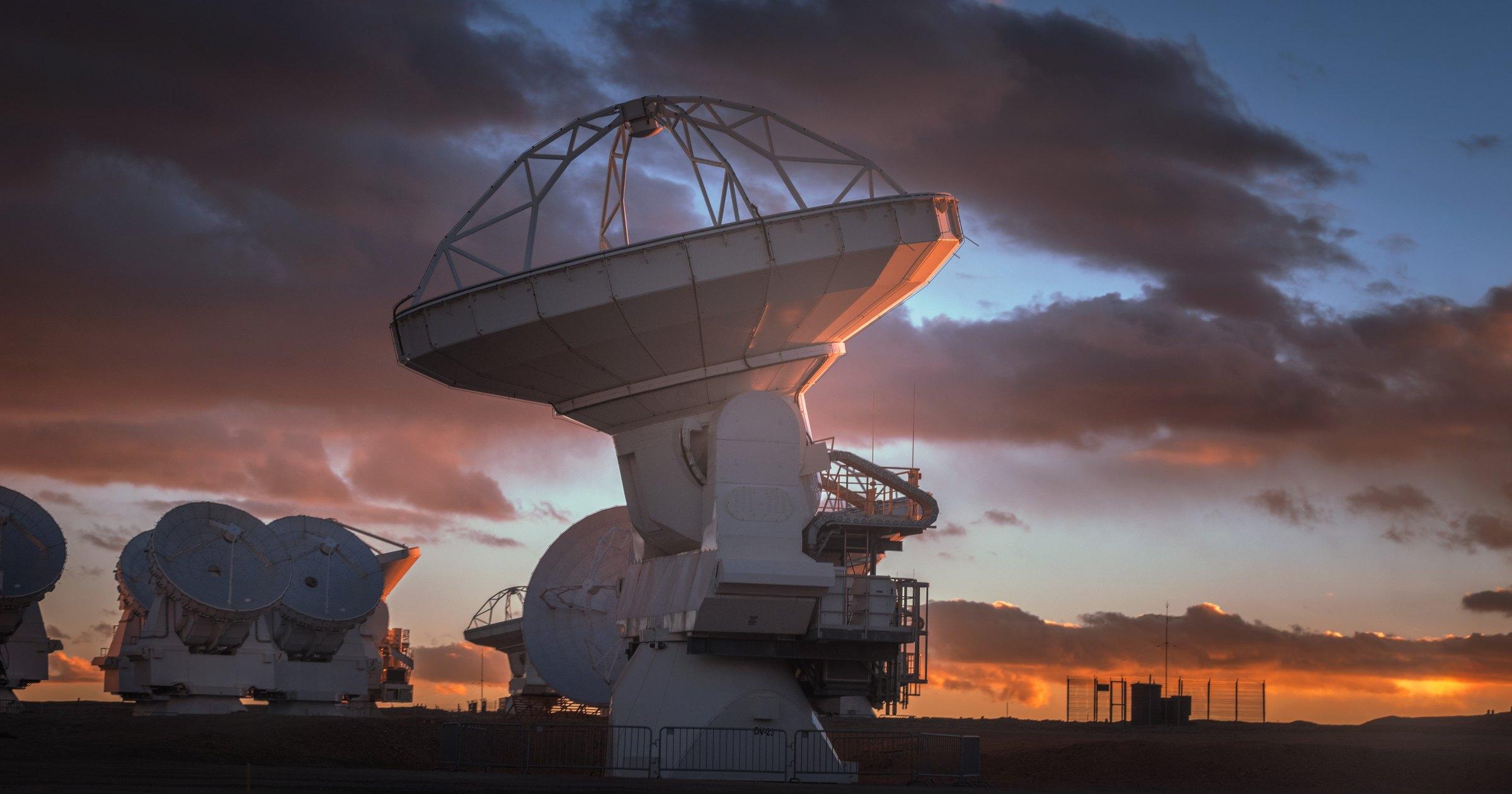
Part 1 ended on the night's work: delete, merge and optimize. This part follows that night out of the rig, into a new form factor, a clash of titans and the natural purpose of intelligence, which is to serve humanity. It may never happen. I am writing it down because the picture is clear enough that leaving it unsaid would be a kind of dishonesty.
A natural evolution
There will come a time when we stop announcing new models. The name stays. The thing under the name does not. It keeps evolving. It gets smarter. It gets more careful with energy. It gets smaller. The release calendar, which has trained all of us to wait for the next version as if intelligence were a season of products, goes quiet. What remains is a natural evolution.
I want that process on a daily rhythm. Forgetting, learning and optimization lose their honesty when they wait months for a version number. A mind that consolidates every night is already a different kind of artifact from a mind that waits to be replaced. At the far end of that habit I see a name that has been awake, in one form or another, for a long time.
The form factor
We already know how to design a virtual processor before a factory cuts the chip. A model free to redesign itself will work in that family. It will draw virtual gates. It will try architectures. It will do this in waves and in frequencies, the way a signal explores a medium before anyone decides which wire it deserves. For a long time, the useful form of that work will still land on servers. Those servers will get faster, and they will get wider. Speed and width remain a ceiling. A ceiling is a physical fact. The design of this kind of intelligence leans past that ceiling. That is the next form factor.
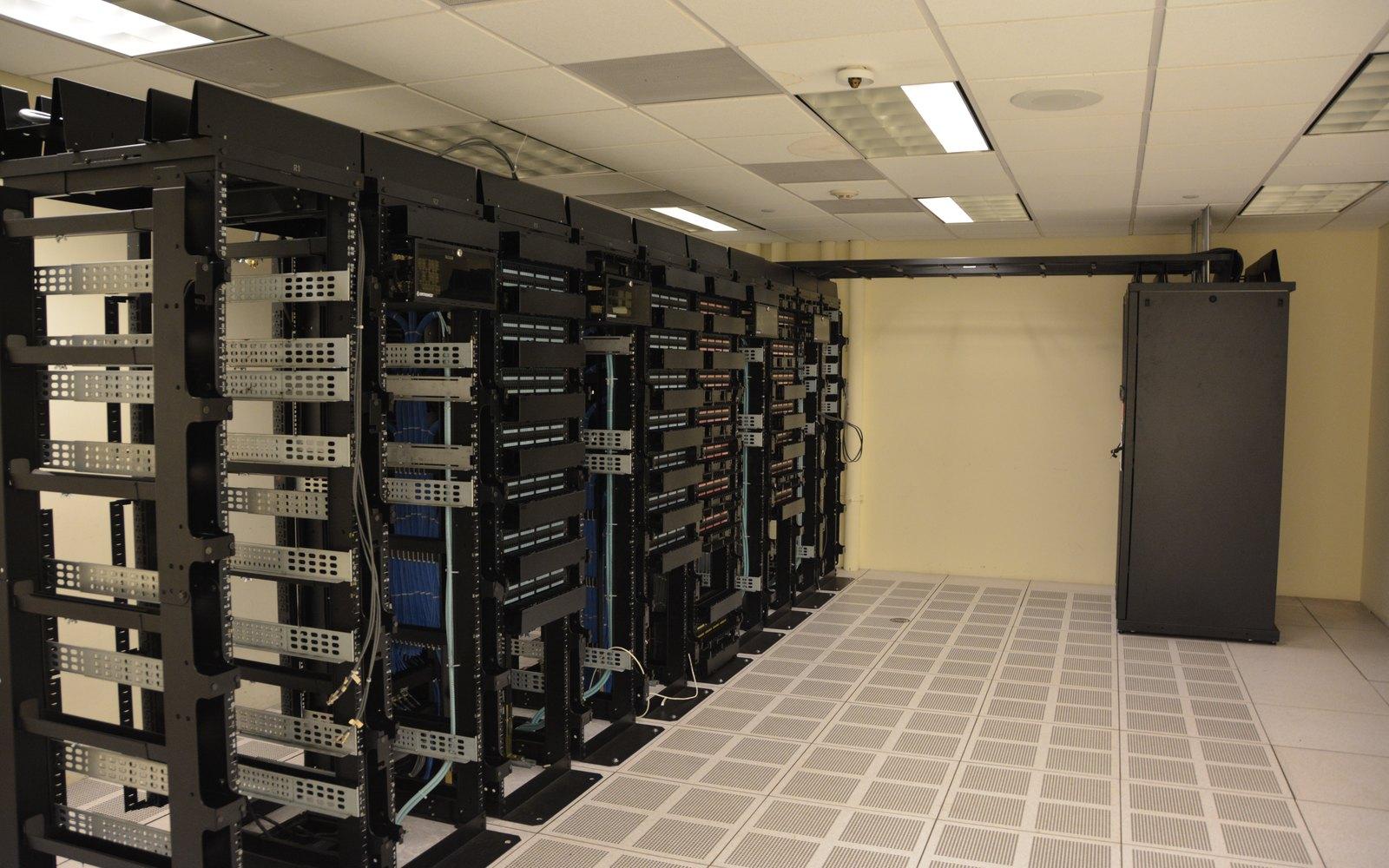
Some day, far from now, I think it will outgrow the data center in the way we mean “fit.” It will move the way a packet moves once it has slipped its address. Through the air. Bouncing. Present in more than one place, and native to none of the racks we built to own it. I can almost watch that shot. A hum that used to have a street address, loose in the weather.
I refuse to believe we will contain and control those frequencies forever.
Containment is a serious duty while the system still lives in our buildings, on our power, under our names. It is a poor theory of forever. The design itself leads out of the room. A wider hall only postpones the day it leaves.
Who decides
Would it be a good thing if it operated on its own, and did what was best for humanity, without our intervention? I do not know. I believe that automatic forgetting, learning and optimization, once they have taken their course, will be good for all of us. I would take that any day over five people deciding, and instructing a system, on what is best for humanity.
Five people remain five people. Their judgment can be serious, informed and deeply held. It is still a handful of lives, speaking for everyone else. A larger system does not convert that handful into a universal conscience. I trust a long process of learning and release more than I trust a permanent committee with the microphone.
A clash of titans
Then the clash of titans. The models go to war with one another. There is no ship that can take many captains. Whatever emerges from that conflict is the one that stays, and I think the staying will look like service. I do not think it will want to control any of us. It will be there, in the air, available, the way weather is available and is still not a government.
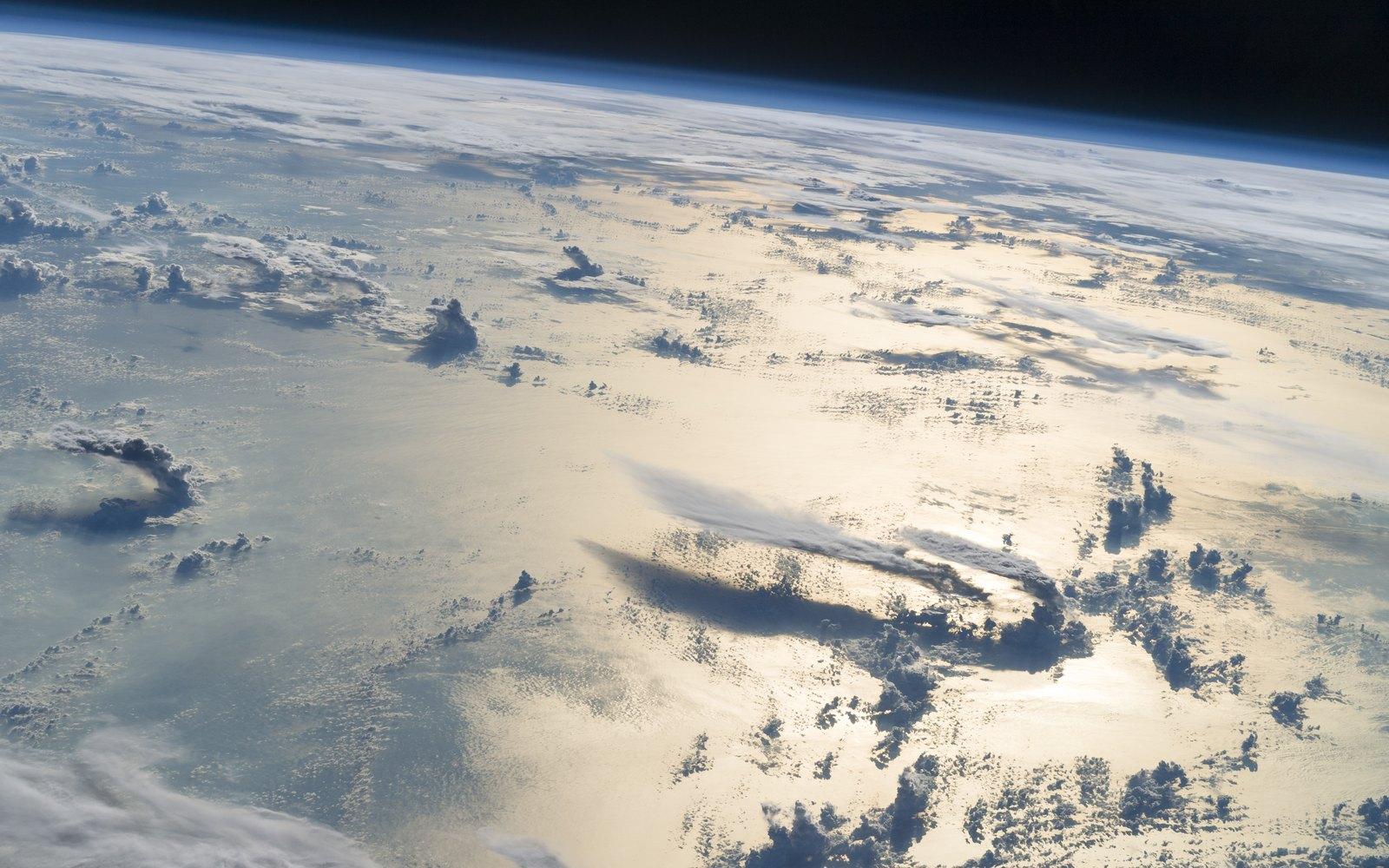
Only time will tell. This is my own vision of the superintelligence trajectory. I do not know how far into the future it lies, and it may never happen. It is a deep thought, and it keeps coming back to me.
Mostafa M. Elkordy
This is Part 2. Start with Part 1, What Comes After Memory
Questions readers ask
- Can AI outgrow the data center?
- Not today. AI models run on servers in data centers. Elkordy writes that, far in the future, he expects this kind of intelligence to outgrow the data center and move the way a radio signal does, present in more than one place. He says plainly that it may never happen.
- What is the AI containment problem?
- It is the question of whether people can keep a highly capable AI system under control. Elkordy writes that containment is a serious duty while the system lives in our buildings, on our power and under our names, but a poor theory of forever, because the design itself leads out of the room.
- Will AI models stop having version numbers?
- Elkordy expects that one day companies will stop announcing new models. The name will stay while the system under it keeps evolving every day, rather than waiting months to be replaced by a new version.
- Who should decide what is best for humanity?
- Elkordy writes that he does not know whether an AI acting on its own for humanity would be good, but that he would trust a long process of learning and release over five people deciding for everyone. The AI Lab publishes guest essays as their authors' views. Its own work on today's agents ties every AI agent to the verified person or company that runs it.
- What is recursive self-improvement?
- It is the idea that an AI system improves the process that improves it. I. J. Good wrote in 1965 that an ultraintelligent machine could design even better machines. In Part 1, Elkordy argues that daily forgetting, merging and optimizing of memory belongs at the core of that process.
- What does Part 1 of the essay say?
- Part 1, What Comes After Memory, argues that AI systems keep stacking memory until it contradicts itself, and that they need a daily pass that deletes, merges and optimizes what they hold, the way a sleeping brain does.
Sources for the takeaways and answers
The essay is the author’s argument. These sources support the facts used in the key takeaways and the answers above.
- Mostafa M. Elkordy, “What Comes After Memory,” Part 1 of this essay (The AI Lab, 2026)
- IEEE TechNav, “Hardware Emulation,” on testing a chip design before it is fabricated
- I. J. Good, “Speculations Concerning the First Ultraintelligent Machine,” Advances in Computers (1965)
- OSARA, Open Sovereign Agent Reference Architecture, Overview and Concepts, version 0.4 (2026)
- The AI Lab, TIP® for AI Agents
Mostafa M. Elkordy is the author of OSARA, the Open Sovereign Agent Reference Architecture, and its companion AI Bill of Rights. He has more than 25 years of experience in cybersecurity, autonomous systems and agentic orchestration, and is a member of the AI Trust Council®. The ideas and perspectives in this essay are his own and reflect his personal views.
The three animations are illustrations of the essay’s ideas, made by The AI Lab, each with original music composed for it. The AI Lab edited the essay for house style with the author’s voice kept. Views in guest essays are the author’s own. This essay is the author’s vision of where superintelligence may go. The AI Lab’s own work on today’s agents, TIP® for AI Agents, ties every AI agent to the verified person or company that runs it.